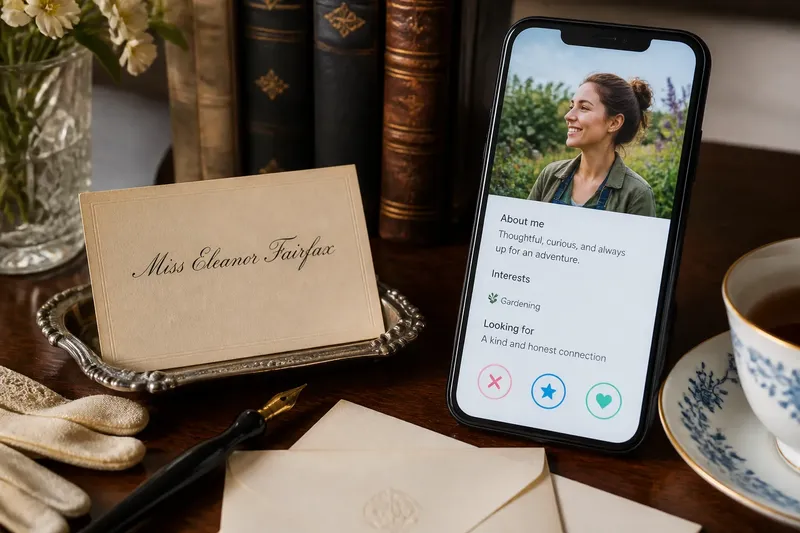
One-to-One Meeting or Group Mixer?
One-to-one meeting or group mixer? Compare pace, attention, and conversational openings to choose a setting that suits how you connect.

A one-to-one meeting gives two people the floor; a group mixer makes room for several conversations to overlap. If you are choosing between them, the difference is not simply private versus social. It is how much attention you want, how quickly you like a conversation to develop, and how easily you can enter or leave one.
Two different rhythms
In a private introduction, the conversation has a clear center. You can ask a follow-up question, notice a pause, and let one topic unfold without competing voices. That focus may help people who prefer a quieter setting or feel more at ease when they know whose turn it is to speak.
The same focus can feel intense. There is little opportunity to step back while someone else carries the conversation, and a lull can seem louder than it would in a crowd. A brief meeting in a comfortable café or a walk through a public garden may feel easier than an elaborate dinner, because the setting itself gives the conversation a natural boundary.
A group mixer moves in waves. People arrive, form small clusters, and shift between them. You can listen before speaking, join a topic already in progress, or move on when a conversation has run its course. The trade-off is divided attention: a promising exchange may pause when another guest joins, and you may need to introduce yourself more than once.
Choose the setting whose rhythm sounds inviting, not the one that seems more impressive.
Attention and openings
At a one-to-one meeting, attention is direct and comparatively steady. That makes it easier to explore a subject in depth, but it also means the two people have to create the conversation together. Open questions can help: ask what someone enjoys about a particular hobby, then share your own angle instead of firing off questions as if conducting an interview.
A mixer offers more entry points. A shared topic, a host’s introduction, or a small group discussing food or music can give you an easy first line. You do not have to keep one exchange moving by yourself. Still, a crowded room can reward people who are comfortable speaking up, and a quieter guest may get overlooked unless the setting makes small conversations possible.
Look for practical details that shape access to conversation: are there seats as well as standing areas, can people hear one another, and does the host encourage introductions? These details matter more than whether the event is called a mixer, reception, or social evening.
Who each setting suits
A private introduction may suit you if you warm up through sustained conversation, prefer fewer distractions, or want to give one person your full attention. It can also work well when you already have a little context about the other person and a shared point to start from. If you find direct attention tiring, a shorter, informal meeting may be more comfortable than a long appointment.
A group mixer may suit you if you enjoy meeting several people, like to listen before deciding whom to approach, or feel less pressure when conversation is shared. It can be a useful setting for someone who wants to get a sense of the room as well as individual people. But if noise and overlapping talk make it hard to focus, a smaller gathering or a quieter corner may be a better fit.
Neither format tells you more about someone’s character by itself. A person who is reserved in a crowd may be animated one-to-one; someone who is charming in a group may still need time to connect in a quieter conversation. Treat the setting as part of the interaction, not as a verdict on either person.
Questions before choosing?
Is a one-to-one meeting less awkward?
It can feel simpler because there is one conversation to follow, but the concentrated attention may also feel intense. If a little structure helps, agree on a relaxed activity and a natural endpoint.
How do I join a group conversation?
Listen for a pause, make a brief comment connected to the topic, and give others room to respond. If the group stays closed or the room is too loud, try another conversation rather than forcing your way in.
Can a mixer lead to a private conversation?
Yes, if both people seem interested and the setting allows it. You can suggest continuing a topic in a quieter spot, while accepting a no or a change of subject without making it awkward.
What if I am unsure which format I prefer?
Choose the option with the gentlest demands: a short coffee introduction or a small, hosted gathering with clear opportunities to mingle. Notice afterward whether the pace felt engaging, draining, or simply unfamiliar.
A simple way to choose
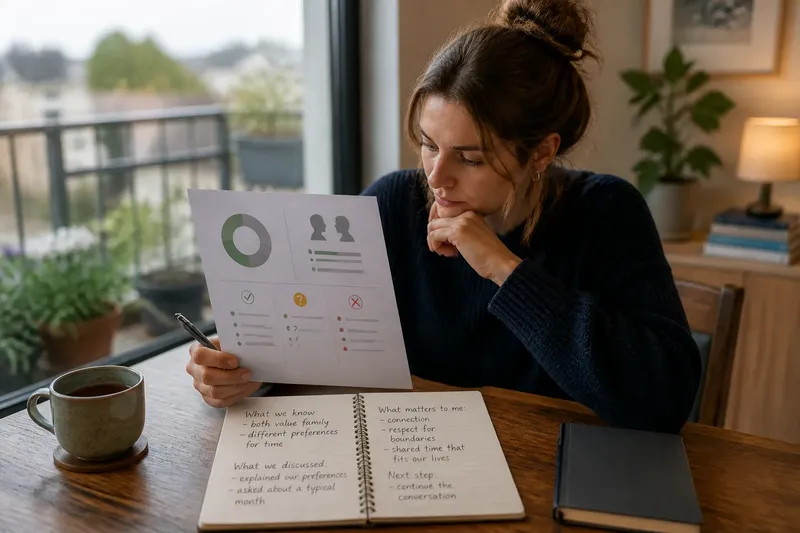
Start with the kind of attention you want. If you would rather explore one conversation without interruption, lean toward a private introduction. If you like having several possible openings and the freedom to move between them, try a mixer. If both appeal, let the practical details decide: group size, noise, seating, host support, and whether you can arrive or leave comfortably.
Say you enjoy deep conversation but feel tense when a meeting has no natural stopping point. You might choose a short coffee introduction in a public place, with an easy walk afterward if the conversation is flowing. The observable difference is simple: the meeting has a clear shape, while the choice to continue remains open to both people.
You can also make a group setting more manageable by choosing a smaller event, arriving with a simple opening question, and giving yourself permission to spend time listening. A one-to-one meeting becomes less pressured when you keep the plan modest and bring up a subject you genuinely enjoy. These are adjustments to the social setting, not performances you have to perfect.
The best choice is the one that lets you pay attention without straining to meet an imagined standard. For a one-to-one meeting or group mixer, consider not only who might be there but also how the format will help you listen, contribute, and find a natural next conversation.